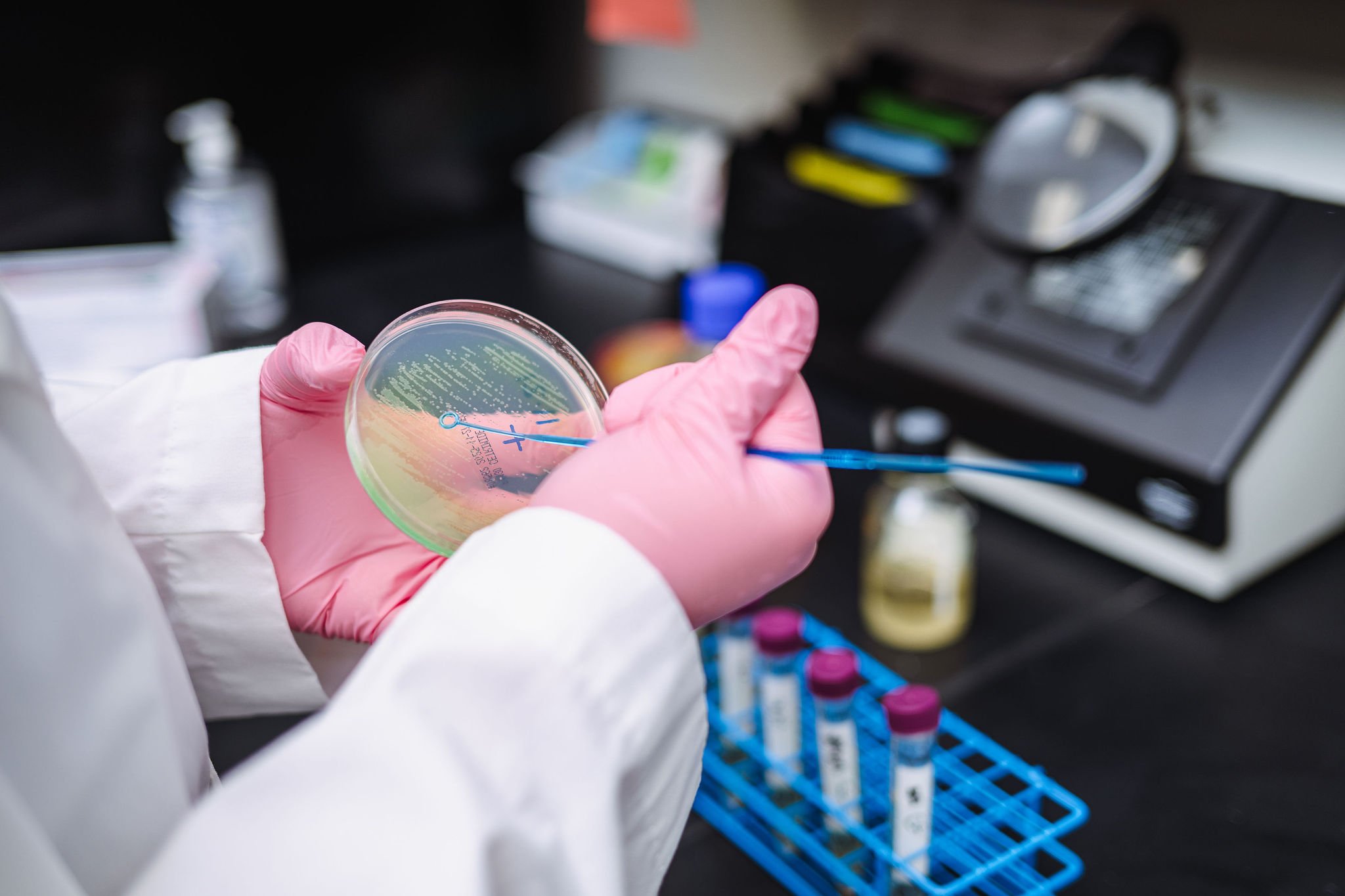
Understanding how commercial wash formulas affect viruses has become critical during the pandemic. Researchers use non-pathogenic surrogate viruses that mimic traits of actual pathogens for testing purposes, as they share similar physical structures and resistance to laundering conditions including temperature, pH, detergency, mechanical action, and water exchanges.
The test surrogate employed is a non-enveloped virus, which is harder to eliminate and resembles EPA-designated surrogates for emerging pathogens like COVID-19. However, COVID-19 itself is an enveloped virus, making it "susceptible to many different environmental factors, which makes them easier to 'kill.'"
Log reduction is the measurement of how effectively a process diminishes virus concentration. The EPA mandates log 3 reduction for disinfectant products seeking viral claims registration.
Log Reduction Table: Log-0 = 0% reduction (10,000,000 CFU remaining); Log-1 = 90% (1,000,000); Log-2 = 99% (100,000); Log-3 = 99.9% (10,000); Log-4 = 99.99% (1,000); Log-5 = 99.999% (100); Log-6 = 99.9999% (10); Log-7 = 99.99999% (1).
The WSI TRUpath™ laundering process demonstrates a log 7 reduction of the surrogate test virus, which is a significantly greater reduction of the virus. This translates to 99.99999% virus reduction on fabric. WSI wash formulas should therefore prove effective against COVID-19.